
Editatona on Cultural Rights #25S | [Wikisphere]

> Theme
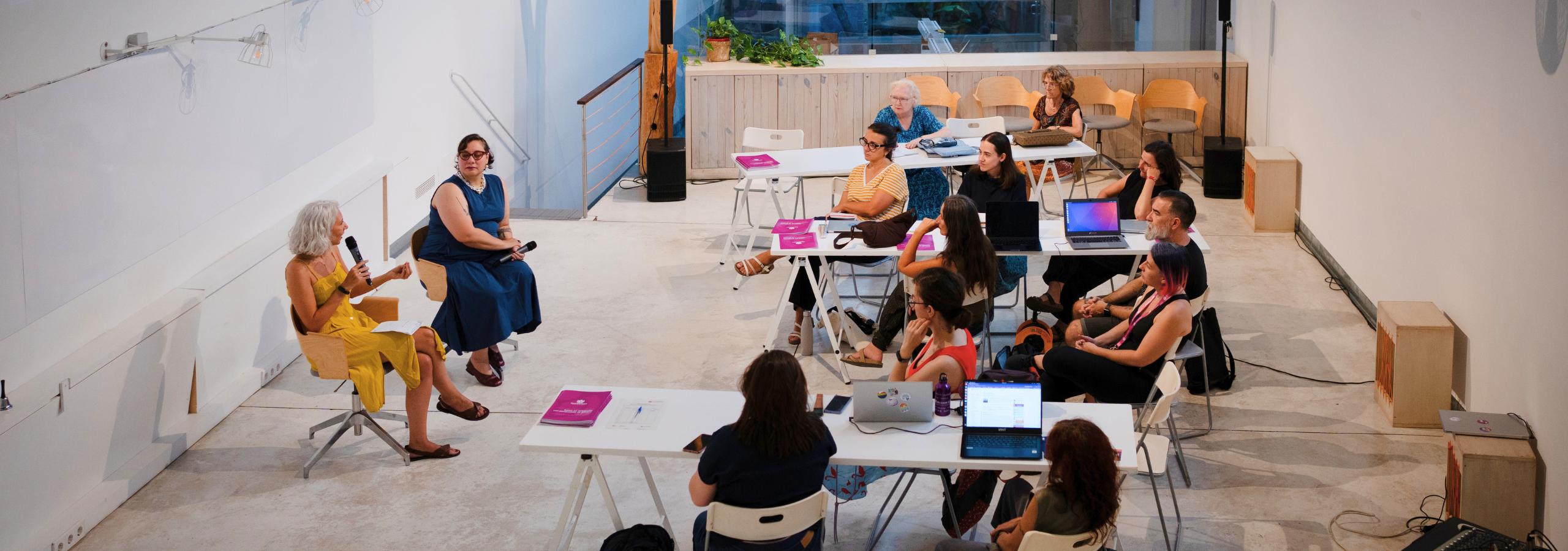
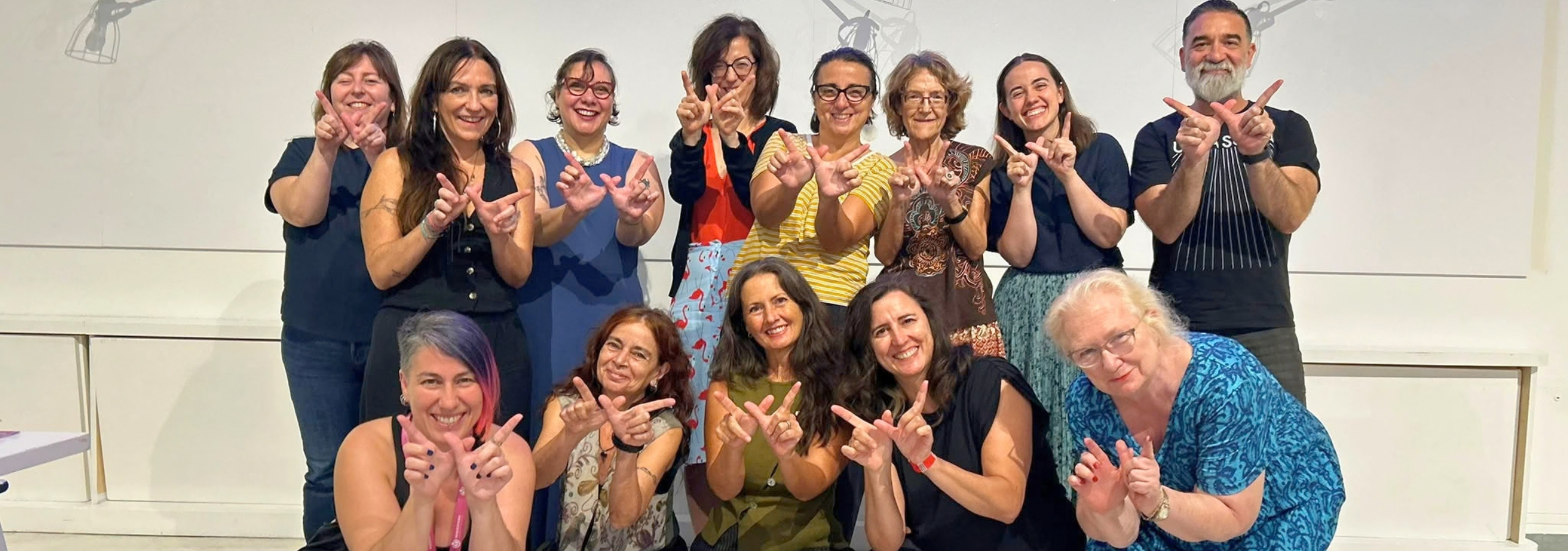
The past Friday 25 September 2026, we met in the Ecooo space of Madrid, to celebrate the fifth editatona of the project “Creating free knowledge communities with a feminist approach”, subsidised by the Ministry of Culture and co-financed by the Wikimedia Foundation.
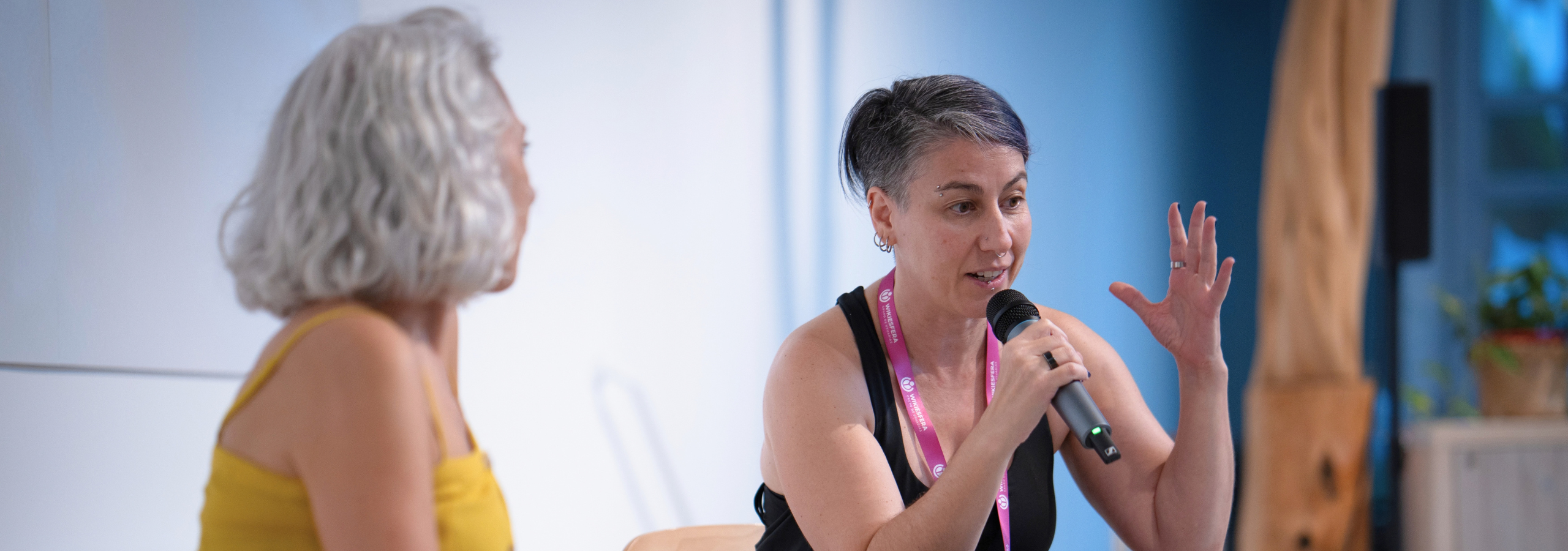
On this occasion, the day was dedicated to cultural rights It involved people interested in researching and expanding content on diversity, participation and representation in culture.
Taking as reference the performances, programmes and awards promoted or promoted by the Spanish Ministry of Culture over the years, we select profiles from women and projects linked to the cultural fabric who had participated in these initiatives and who still had little or no presence in Wikipedia in English.
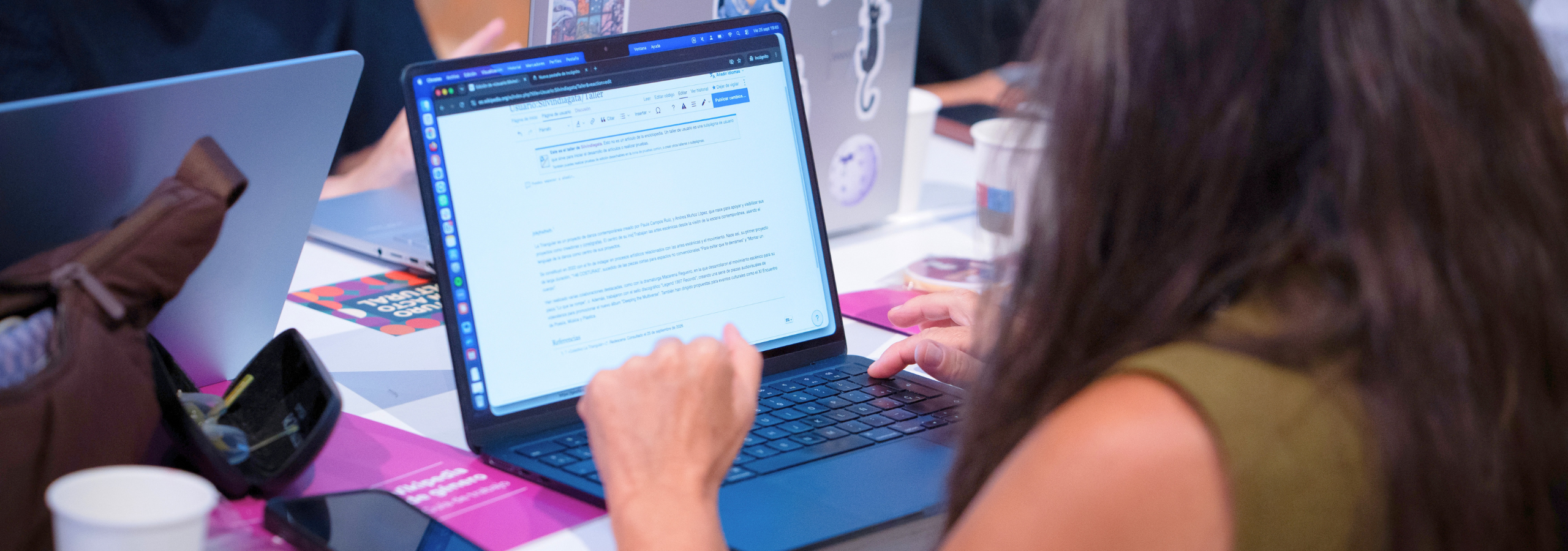
During the editatona, the participants worked collaboratively in the information search, documentation and content editing, recovering these trajectories and helping to make them more visible and accessible.
The activity was also a space to reflect on who appears in stories about culture and which voices are still underrepresented. Through collective work, we focused on the contributions of women and other profiles linked to different areas of culture.
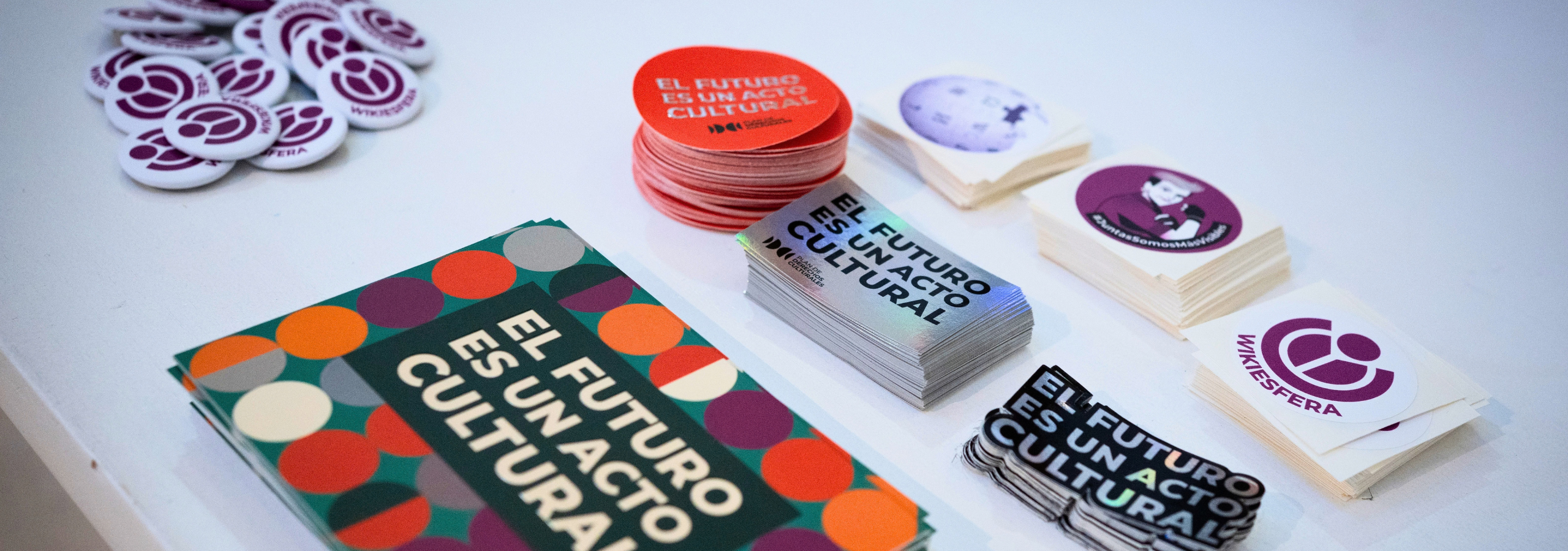
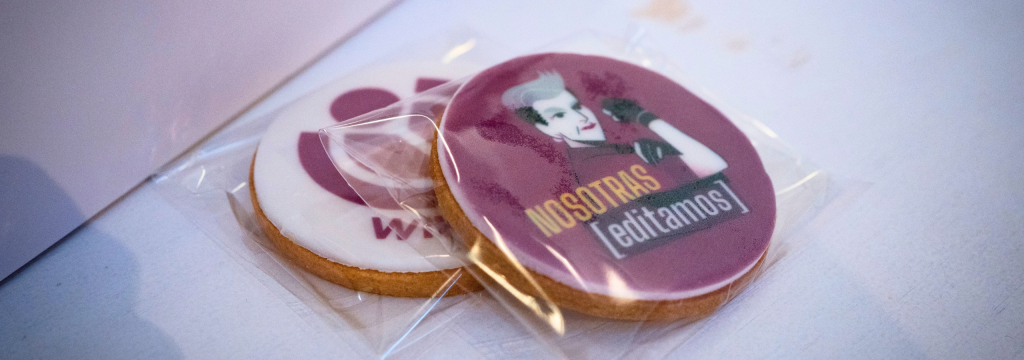
As a detail we distribute among the participants some personalized wikicookies of Wikiesfera, a small memory to "sweeten" the meeting and celebrate the shared work.
With this activity, we continue to generate spaces for participation and learning They use free knowledge as a tool to build a more diverse and representative culture.
> Expert
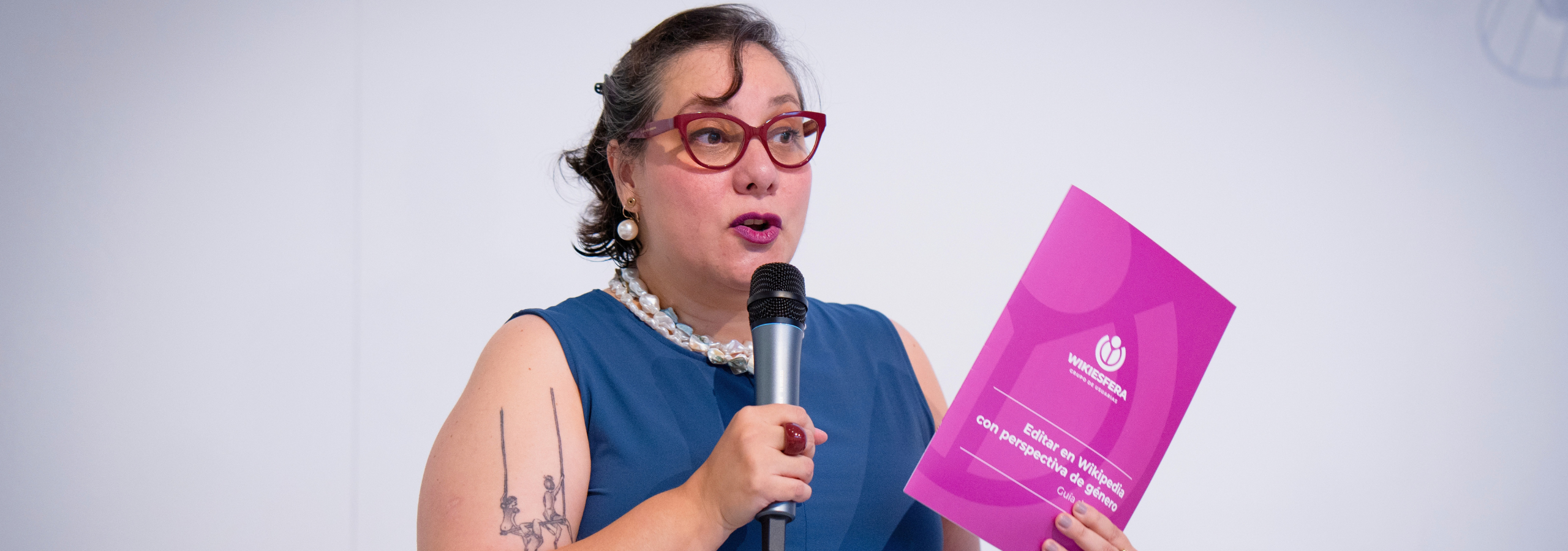
To start the day we have Jasmine Beirak Ulanosky (@jbeirak), cultural manager and cultural policy researcher, who since 2024 directs the Directorate General of Cultural Rights of the Ministry of Culture of Spain. We talked about what are the cultural rights, why it is important that everyone can participate in and access cultural life and what role do the digital rights.
He told us how the Directorate General in his charge was born and how the process was to launch it. He also told us about the Cultural Rights Plan, presented in July 2025, and how it was built with the participation of actors in the sector, experts, autonomous communities and citizens.
Beirak helped us putting editatone in context and thinking about who is part of the cultural fabric and what stories still need to be told and documented.
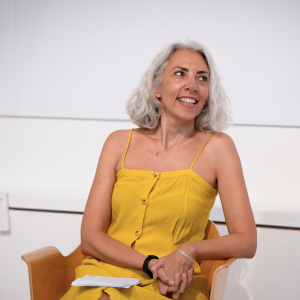
After his talk, we got down to work to research and work on those profiles. His reflections were transferred directly to the edition, because during the day we created the article of Ungovernable culture (2022), Beirak's essay, which until then did not have its own article on Wikipedia in Spanish. In this way, we incorporate his work to the contents available in free knowledge.
> Dissemination
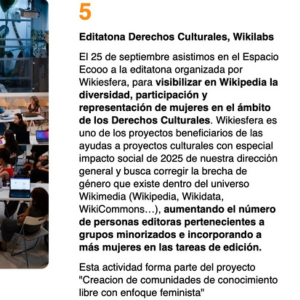
The Directorate-General for Cultural Rights also supported the dissemination of the activity through its own channels. In addition to providing us with the photographic material of the day, posted a video about the editatona on Instagram that you can see here and included it in its September newsletter, within the summary of the five outstanding activities of the month.
> Results
- Number of PARTICIPANTS: 13
- Number of articles PUBLISHED: 17
>> Articles created: 7
>>> Biographies: 4
>>> Companies, organisations and works: 3
- Chonín Navarro (1922-2019), Spanish textile artist.
- Rosario Izquierdo (1964), Spanish sociologist and writer.
- Paloma Muñoz (twentieth century), Spanish dancer and choreographer.
- Irene Trapote (1998), Spanish multidisciplinary artist.
- Tabadol Cultural Association (2013), Spanish Women's Association.
- The Triangular (2022), Spanish contemporary dance collective.
- Ungovernable culture (2022), essay by Jasmine Beirak.
>> Translated articles: 10
>>> Biographies: 9
- Mercedes Dexeus (1933), Spanish librarian.
- Bapsi Sidhwa (1938-2024), Pakistani writer.
- Alison Dundes Renteln (1960), American professor specializing in cultural rights and policies.
- Ana Romaní (1962), Spanish journalist and writer.
- Alexandra Xanthaki (20th century), Greek jurist and UN Special Rapporteur in the field of cultural rights.
- Catalina Devandas Aguilar (1975), Costa Rican lawyer and UN Special Rapporteur on the Rights of Persons with Disabilities.
- Rita Izsák (1980), Hungarian diplomat and human rights expert
- Yaiza Berrocal (1991), Spanish screenwriter and playwright.
- Matiullah Wesa (1992), Afghan human rights defender.
>>> Concepts: 1
> Finance

Other Work


 English (UK)