
The ones that were missing. Women and museums, memory and present #18M


> Theme
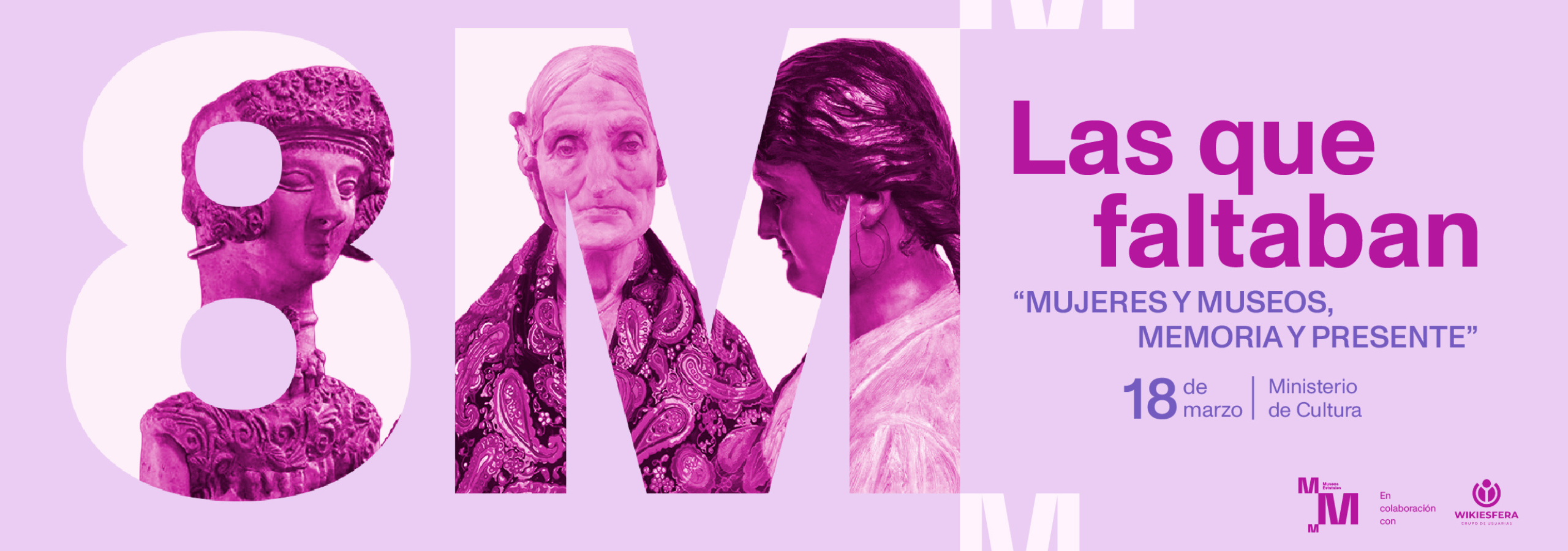
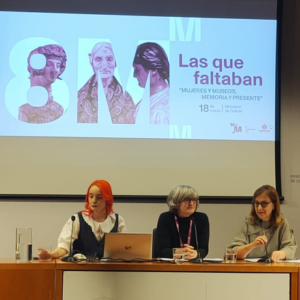
The day The ones that were missing. Women and museums, memory and present, celebrated in the past 18 March in Madrid and coordinated between the Subdirectorate-General for State Museums, Ministry of Culture and Wikisphere, aimed to critically look at the biases of cultural storytelling and vindicate the place of women in the collective memory and present of museums.
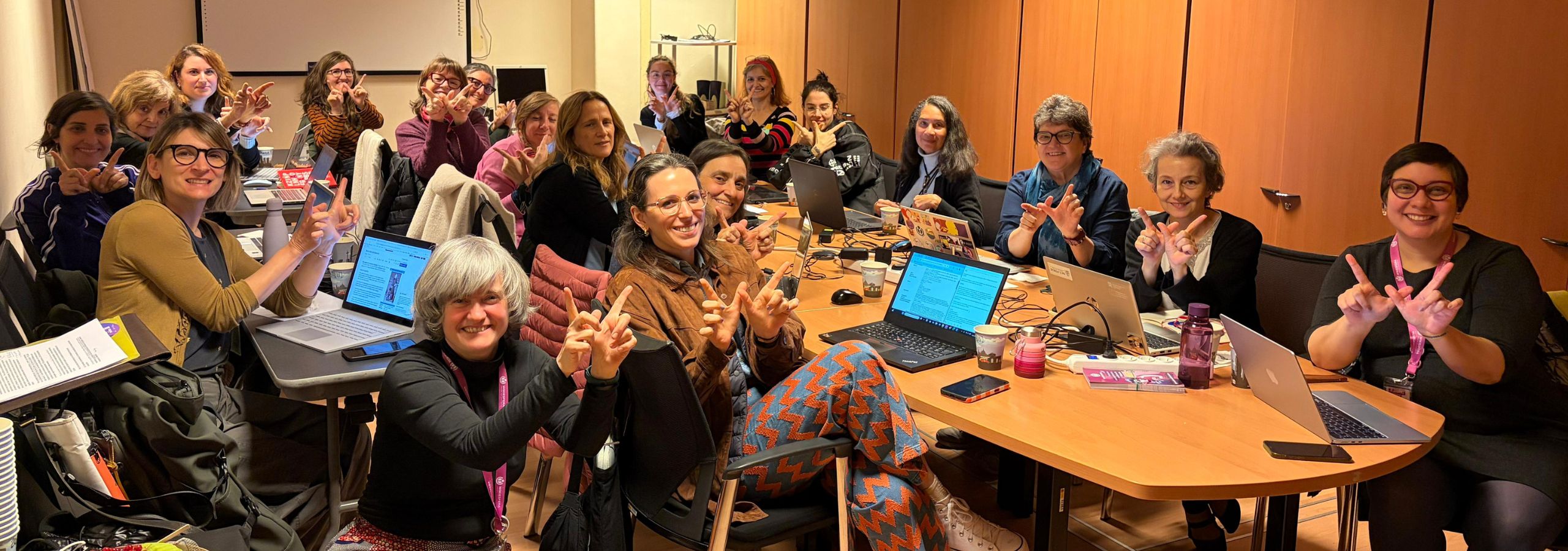
For this we celebrate a editatona about women in the State Museums which, although opened to the general public, had aExtensive participation of museum and Ministry of Culture staff. It was precisely with the 16 State Museums with whom, from Wikiesfera, we previously worked on the contents to be edited, selecting pieces or people related to their collections that were not yet on Wikipedia.
From early in the morning 21 people got together in a ministry room, to create, translate and improve content in the free encyclopedia. Benefactors, artists, researchers, pieces made by women, works in which certain female characters stand out, etc. … were the style of articles that we worked on during three hours of much learning and shared reflections. The result, 15 new articles published on Wikipedia in Spanish and 4 improved articles, which can be found at the end of this chronicle.
> Talk
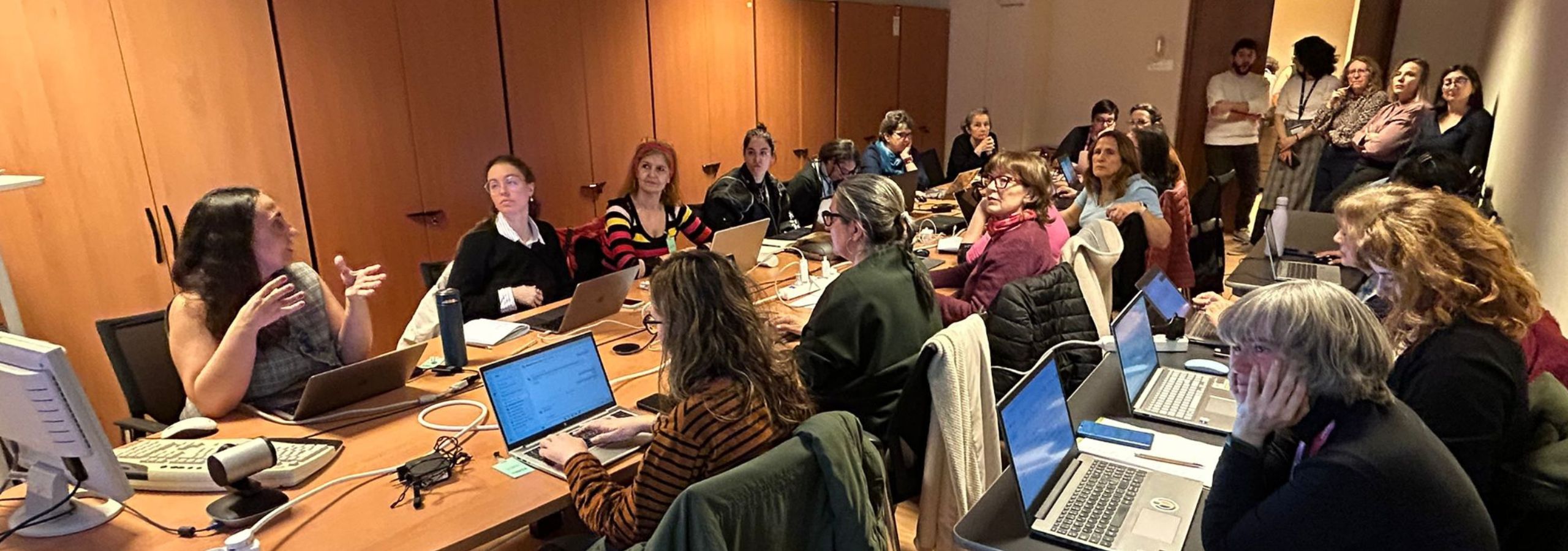
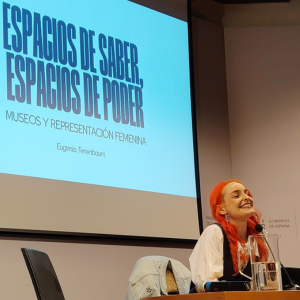
The second part of the event consisted of a Talk by Eugenia Tenenbaum, art historian and cultural communicator specialized in gender perspective applied to the analysis of images and artistic discourses. The intention with this conference, which they introduced Mercedes Roldán, Deputy Director General of State Museums y Encina Villanueva, representative of Wikiesfera, was to give meaning and theoretical framework to the whole day.
With the title Spaces of knowledge, spaces of power: Museums and female representation, Eugenia told us about the different types of changes that could occur in museums to promote diversity and equality. It showed us the meager number of works made by women exhibiting the world's leading museums in the face of the overwhelming female presence as visitors and art students. He noted the importance of the formation of the teams, highlighting the fact that 9 of the 16 addresses of the State Museums are held by women. It made us think about the level of discourse and all the possibilities that open up when reviewing museographic texts or interpretation criteria. And finally, he raised the need to update, in the key of critical thinking and openness to diversity, the approaches from which the contents are transmitted in these spaces of knowledge, which are also of power. The final conclusion could not be more forceful: rethinking the museum involves rethinking the male authority that feeds on it.
> Results
- Number of PARTICIPANTS: 21
- Number of articles PUBLISHED: 15
- Number of articles IMPROVED: 4
>> Articles new: 15
- Statue of Kherdeankh (333-32 BC)
- Lutatia Lupata Stela (A.D. II)
- Stela of Sentía Amarantis (A.D. II)
- The Cervantes
- Portrait of Mariana of Austria (1666)
- Cavalcade of the Three Kings (c. 1686-88) of Luisa Roldán
- Manuela Perea, The Baby (19th century)
- Innocence Serrano and Cerver (1816-1896)
- Rafaela Sánchez Aroca (1869-1939)
- Teresa García Falgás (1886 – 1982)
- Laura of Santelmo (1897-1977)
- Carmen Osés Hidalgo (1898-1961)
- Hedwig Klein (1911- dp. 11 July 1942)
- Ningiukulu Teevee (1963)
- Shipibo-conibo ceramics
>> Articles improved: 4
- National Museum of Underwater Archaeology, incorporating information on women related to the institution
- Costume Museum, incorporating information on women related to the institution
- González Martí National Museum of Ceramics and Suntuary Arts, incorporating a section dedicated to the Museum's Benefactors
- Maria Sanz of Sautuola
> Collaborate


 English (UK)